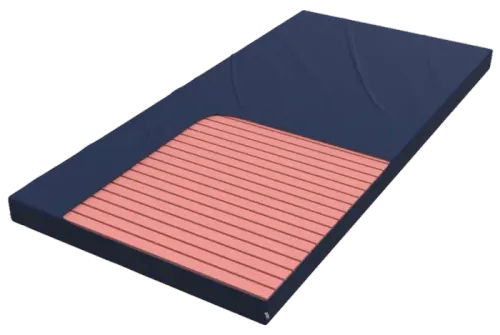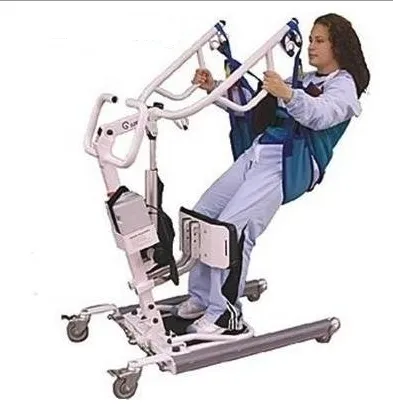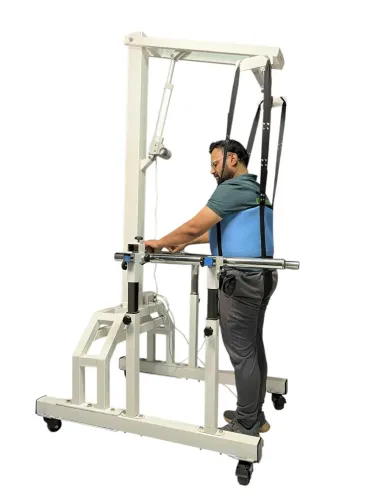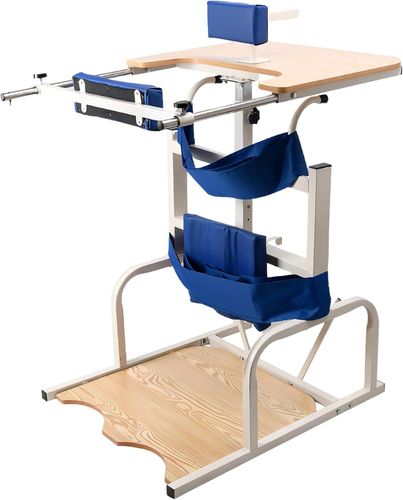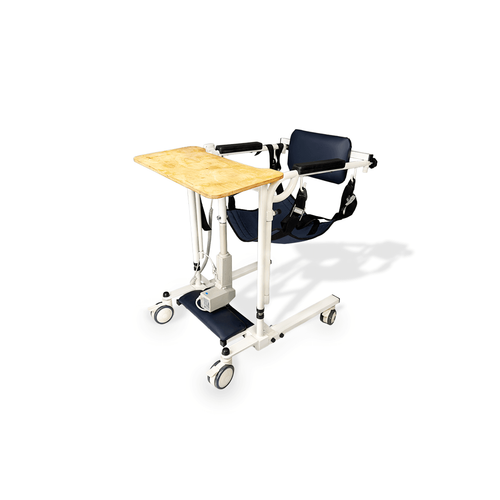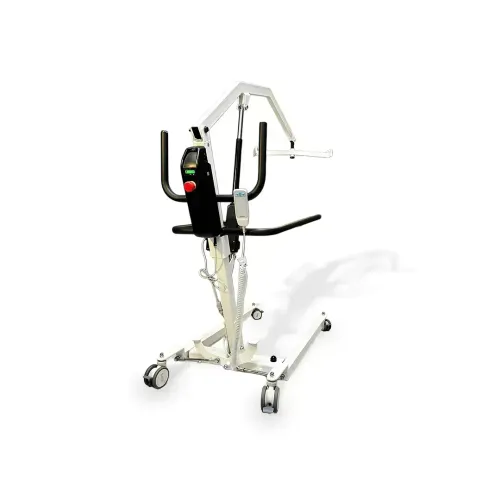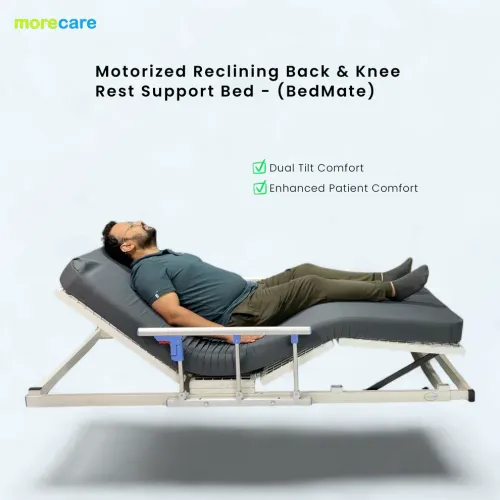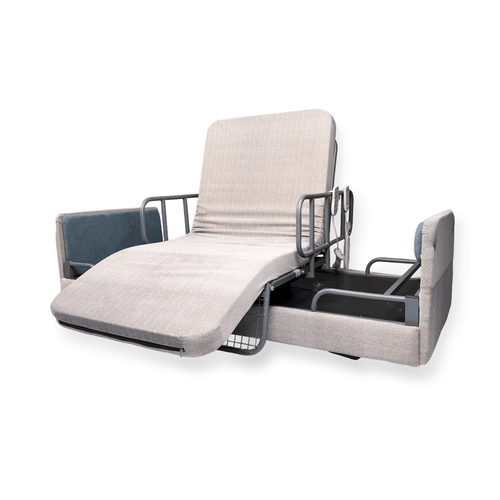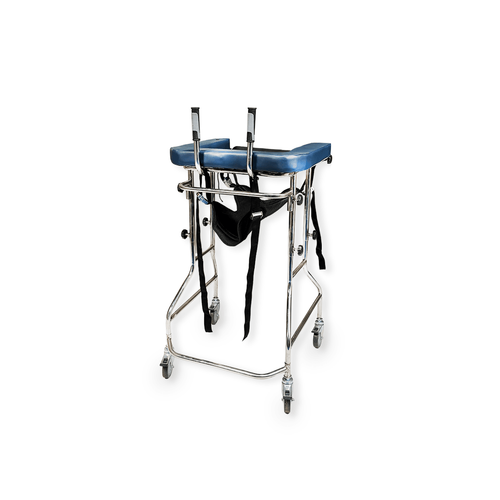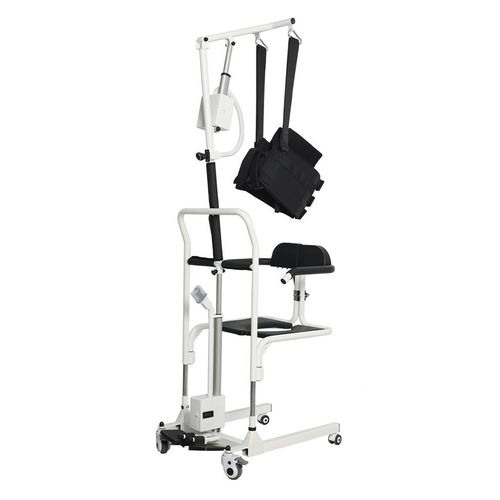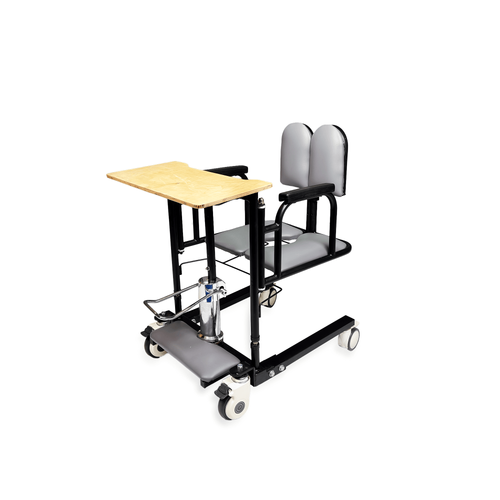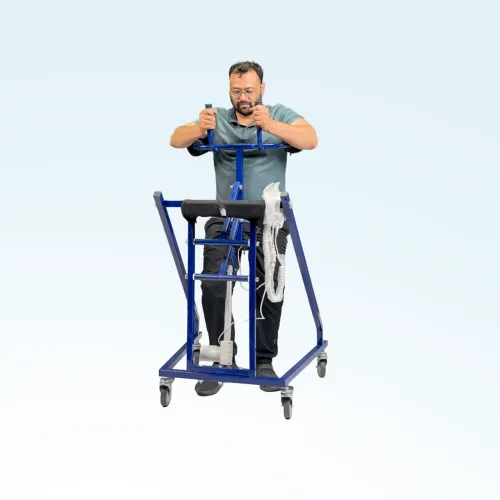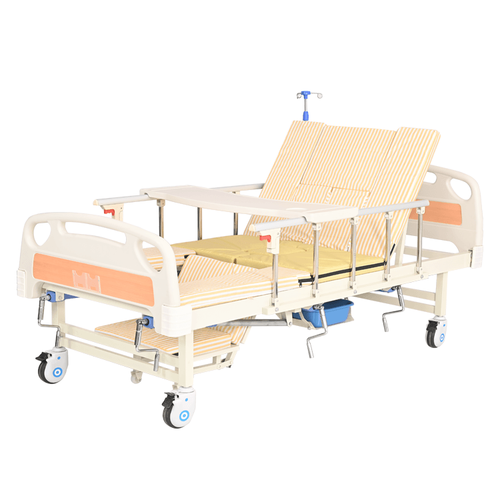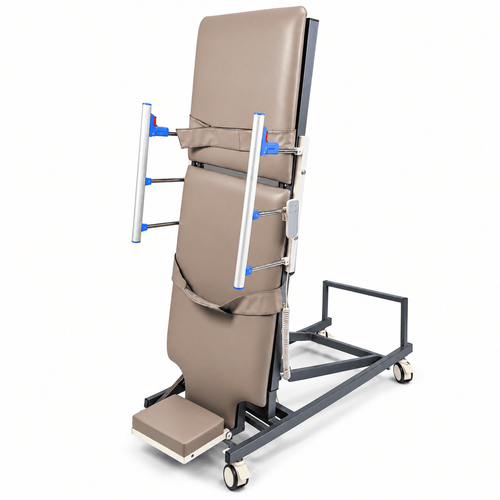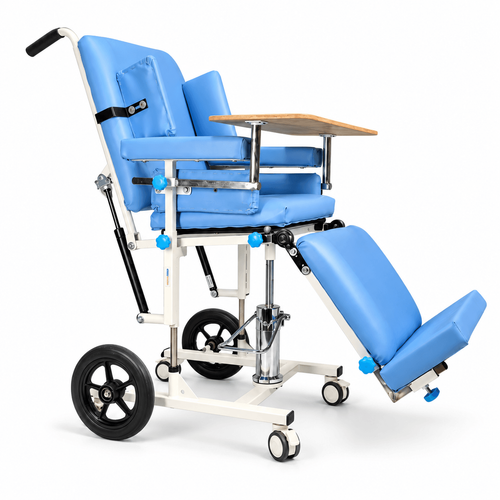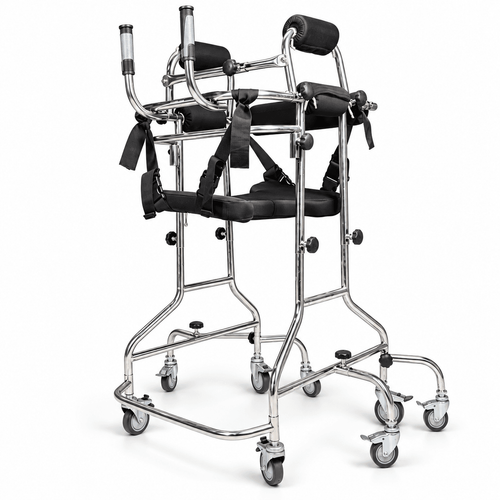
From patient lifts and transfer systems to powered standing and gait training equipment, Morecare helps caregivers deliver safer, more efficient care in hospitals, rehabilitation centres and at home.
Discover patient lifts, transfer aids, standing systems and gait training equipment designed to make patient handling safer, easier and more dignified across home care, hospitals and rehabilitation centres.
Learn about trial periods, warranties, and clinical designs for adults.
Adult rehabilitation equipment is designed to improve mobility, posture, safety, and independence for individuals recovering from illness, injury, or living with long-term physical conditions. Common rehabilitation products include wheelchairs, gait trainers, walkers, standing frames, patient transfer aids, commode and shower chairs, electric bed attachments, positioning cushions, and adaptive seating systems. The right equipment depends on the user's mobility level, physical abilities, and rehabilitation goals.
Choosing the right rehabilitation equipment depends on several factors, including the user's medical condition, balance, muscle strength, walking ability, posture, height, weight, and daily activities. Some individuals may benefit from a walker or gait trainer, while others require a wheelchair, standing frame, or transfer aid. Selecting equipment that matches the user's current needs can improve comfort, safety, and independence while supporting rehabilitation and reducing the risk of falls.
Stroke rehabilitation often focuses on improving mobility, balance, posture, and independence. Depending on the stage of recovery, commonly used rehabilitation equipment includes walkers, gait trainers, wheelchairs, standing frames, transfer aids, adaptive seating systems, and positioning cushions. The most suitable equipment varies for each individual and should support their current physical abilities, rehabilitation goals, and daily living requirements.
Adults with Parkinson's disease may experience balance difficulties, slower movement, muscle stiffness, and an increased risk of falls. Depending on their mobility level, suitable rehabilitation equipment may include walkers, gait trainers, wheelchairs, transfer aids, adaptive seating, and positioning solutions that provide additional stability and support. Choosing the appropriate mobility aid can help improve confidence, safety, and participation in daily activities.
Individuals with spinal cord injuries often require rehabilitation equipment that supports mobility, positioning, pressure relief, and transfers. Depending on the level of injury and functional ability, commonly used equipment includes wheelchairs, standing frames, transfer aids, adaptive seating systems, positioning cushions, commode chairs, and electric bed accessories. Equipment selection should always be based on the individual's rehabilitation goals and long-term support needs.
Yes. Many adult rehabilitation products include adjustable or customizable features to improve comfort, posture, and functionality. Depending on the product, options may include adjustable seat dimensions, backrests, headrests, lateral supports, footrests, armrests, harnesses, trays, and walking supports. Proper customization helps ensure the equipment fits the user correctly and adapts to their rehabilitation needs over time.
A properly fitted rehabilitation product is essential for safety, comfort, and effective rehabilitation. Factors such as height, weight, hip width, leg length, posture, and mobility level help determine the appropriate product size and configuration. Sharing measurements along with photographs or videos allows rehabilitation specialists to recommend suitable equipment and any necessary adjustments or customization.
Yes. Many rehabilitation products are specifically designed for both home and clinical environments. Before using the equipment, ensure it is correctly adjusted for the user and that caregivers understand how to operate it safely. Choosing equipment that suits the available space and the user's daily routine can improve comfort, reduce caregiver strain, and support rehabilitation at home.
Before purchasing rehabilitation equipment, consider the user's diagnosis, mobility level, postural support requirements, home environment, caregiver assistance, and long-term rehabilitation goals. It's also important to think about product adjustability, ease of use, future needs, maintenance, and whether the equipment can adapt as the user's condition changes. Taking these factors into account can help you choose equipment that provides lasting value and support.
Yes. If you're unsure which product is most suitable, our team can help you make an informed decision. Simply share details such as the user's diagnosis, age, height, weight, mobility challenges, and photos or videos. Based on this information, we can recommend appropriate rehabilitation equipment, explain product features, and discuss available customization options to help you find the best solution for your needs.