Why Can Some Children With CP Not Sit Independently?

Section 1 — Why Can Some Children With CP Not Sit Independently?
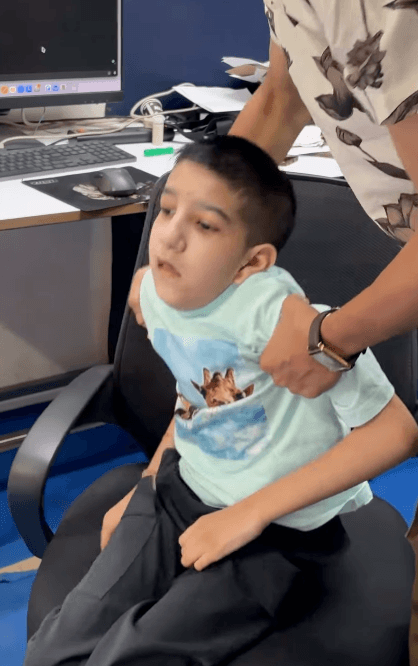
Sitting independently requires a child to control their pelvis, trunk and head while maintaining balance.
Cerebral palsy can affect these abilities differently.
Some children have low muscle tone and struggle to maintain an upright posture. Others experience stiffness, involuntary movements or changes in muscle tone that make stable sitting difficult.
Common challenges include:
- Falling forward when unsupported.
- Leaning strongly to one side.
- Difficulty holding the head upright.
- Sliding forward from a seated position.
- Needing an adult to support the trunk.
- Becoming tired after a short period of sitting.
A child may be able to move their arms and legs but still lack sufficient postural control to sit independently.
This does not automatically mean wheelchair use is impossible.
It means the child may require external support to maintain an individually appropriate sitting position.
The amount and type of support needed should be determined through a seating assessment.
How Is Supported Sitting Different From Independent Sitting?

Independent sitting means the child can maintain a seated posture without continuous external support.
Supported sitting means the child's position is maintained partly through appropriate seating components or caregiver assistance.
An adaptive wheelchair may provide support at different parts of the body.
Pelvic support
The pelvis forms the foundation of seated posture. Correctly fitted cushions and pelvic positioning components help establish a stable sitting base.
Trunk support
A supportive backrest and lateral supports may help a child who cannot maintain an upright trunk independently.
Head and neck support
Children with poor head control may need an adjustable headrest or a specialist head-support system.
Foot and leg positioning
Appropriately supported feet and lower limbs contribute to the overall sitting arrangement.
Tilt-in-space
Some children may benefit from changing the orientation of the entire seating system while maintaining the fitted relationship between the seat and backrest.
These supports must work together.
A headrest alone cannot compensate for every trunk or pelvic positioning problem.
Likewise, a chest harness should not be tightened to force a child into a posture that the wheelchair cannot otherwise support.
The aim is to accommodate the child's individual posture safely while allowing appropriate comfort and participation.
What Can a Suitable Wheelchair Help a Child Do?
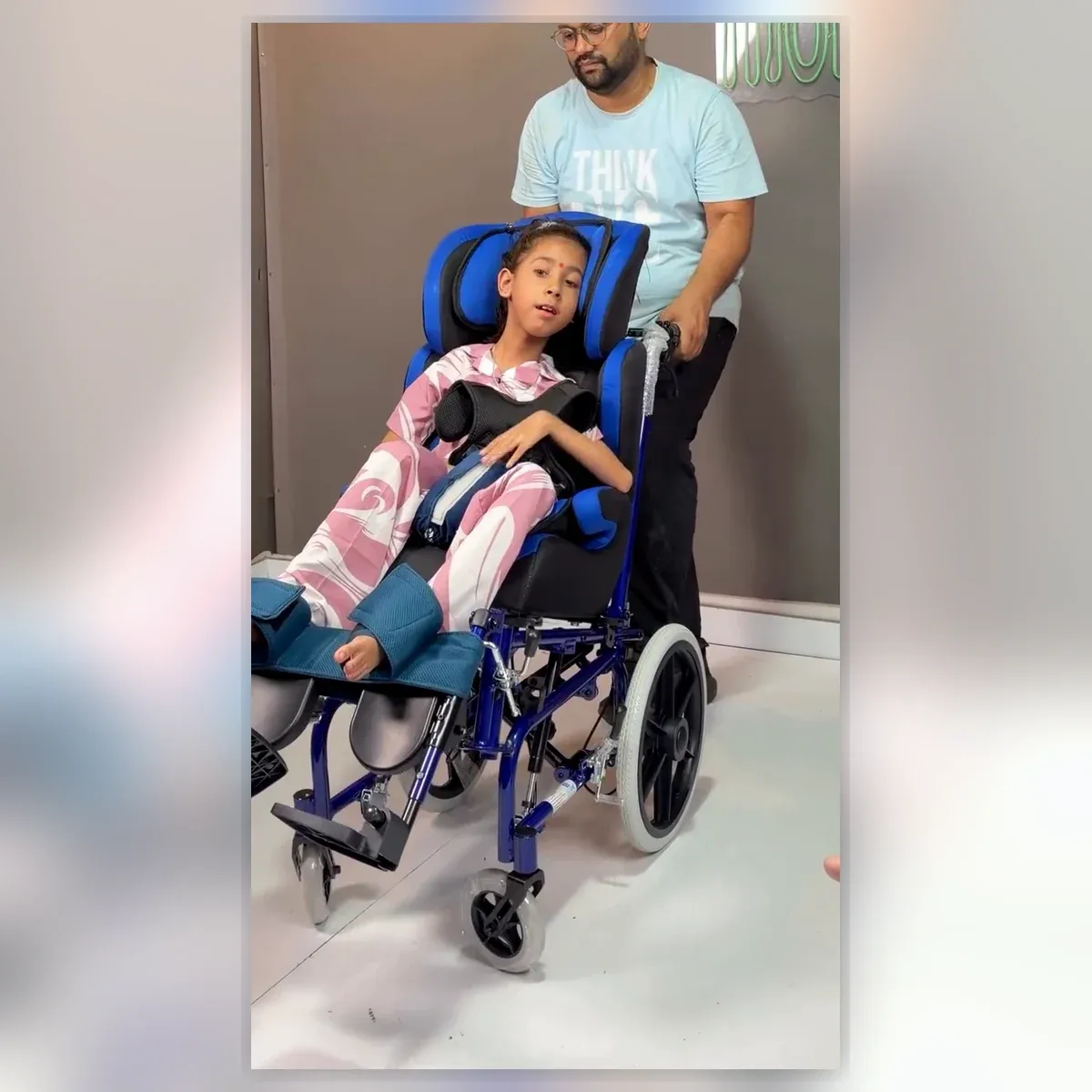
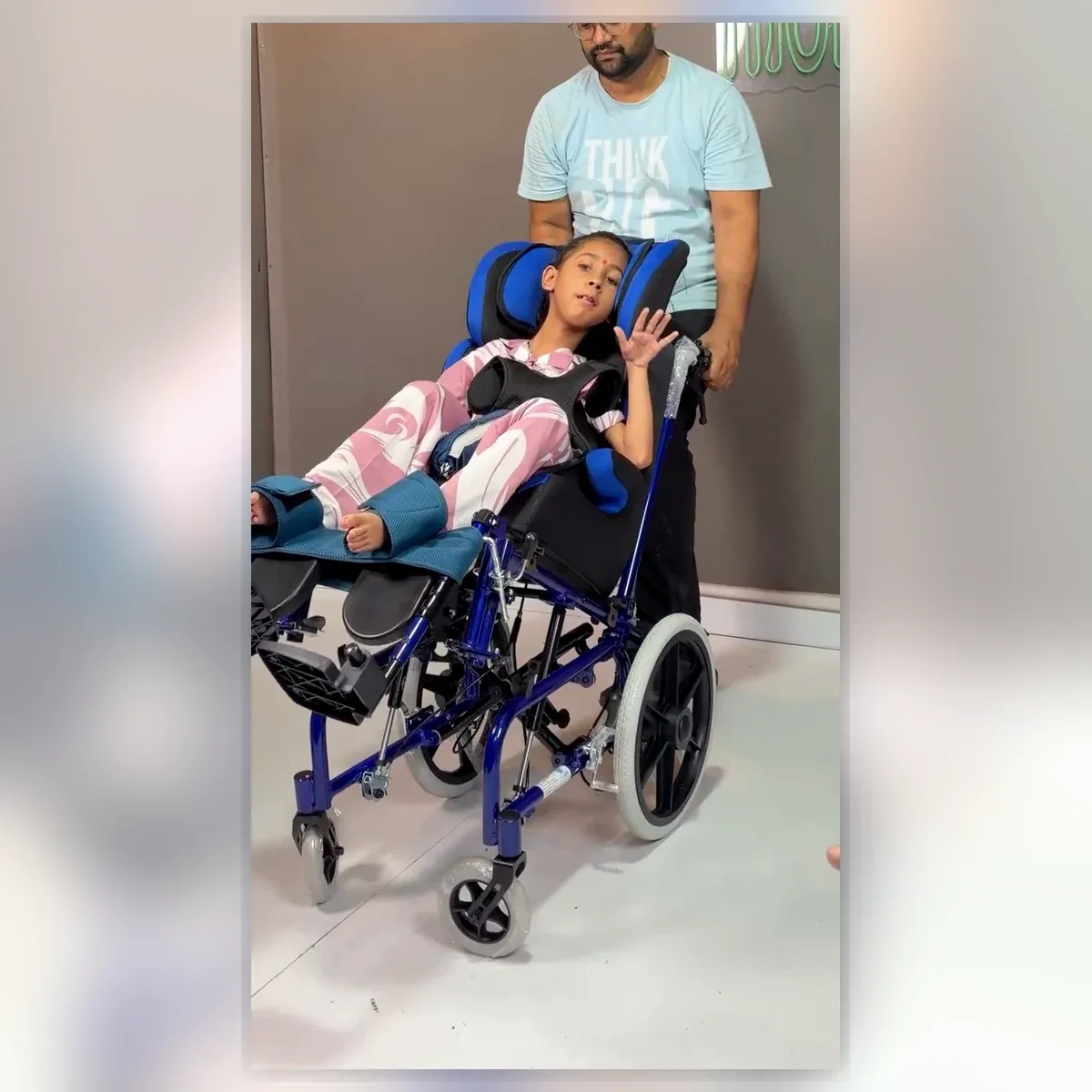
For a child who cannot sit independently, an appropriately fitted wheelchair may provide opportunities for supported mobility and everyday participation.
Spending time with family
A suitable wheelchair may allow a child to remain supported while interacting with family members during selected daily activities.
Participating in school
The wheelchair may help with movement between classrooms and access to suitable learning environments.
Travelling outside the home
Caregiver-propelled mobility can support family outings and access to community activities.
Changing supported positions
Where available and appropriate, tilt-in-space or recline may provide alternative resting positions during the day.
Reducing continuous hands-on positioning
A fitted seating system may reduce the need for a caregiver to physically hold the child's trunk throughout every seated activity.
However, a wheelchair is not a substitute for every other positioning or therapy activity.
Children may still require floor-based play, supported standing, therapy, lying positions or scheduled changes of posture according to their care plan.
A wheelchair also does not automatically improve independent sitting ability.
Its main purpose is to provide suitable support and mobility for everyday activities.
How Can Morecare Blueflax Support a Child Who Cannot Sit Independently?
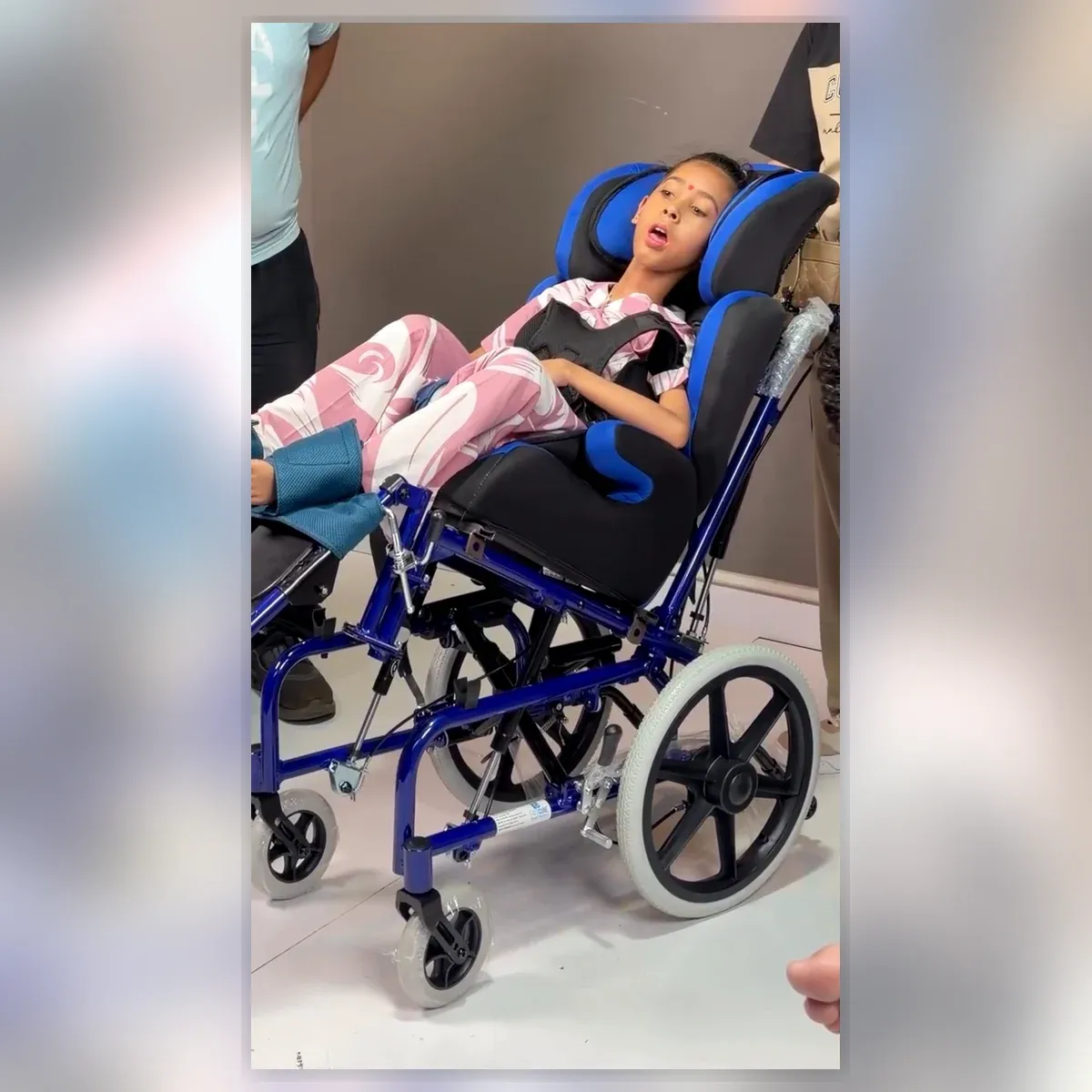
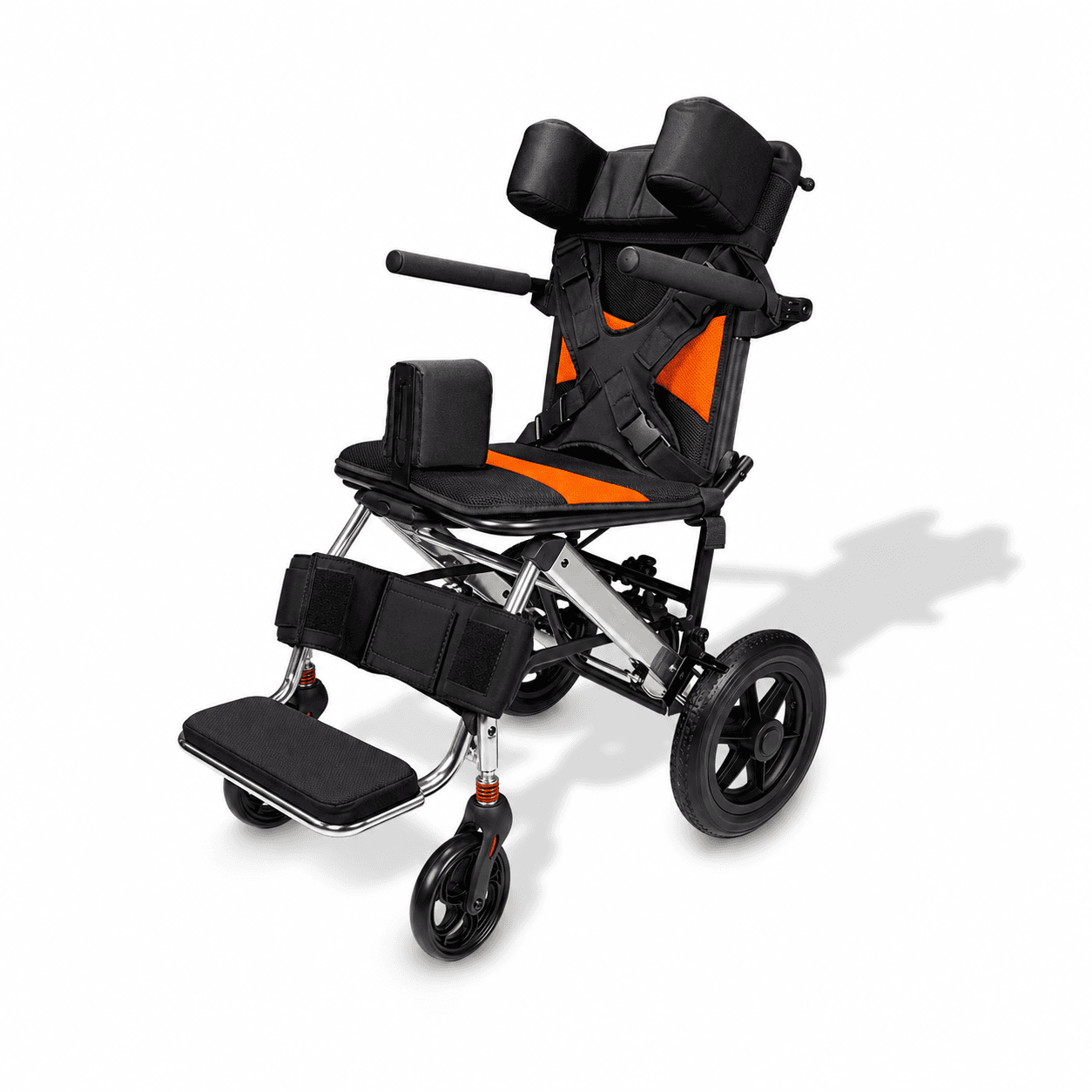
The Morecare Blueflax Tilt & Recline CP Wheelchair Cum Stroller is designed for selected children who require additional postural support while sitting and moving with caregiver assistance.
Its positioning system combines several features.
Adaptive seating cushions
Cushions help configure the child's effective seating space within the wheelchair's fixed structural dimensions.
Pelvic and trunk positioning
Support components can help maintain the child's assessed pelvic and upper-body posture.
Adjustable headrest
Provides head support for children who need assistance maintaining an appropriate head position.
Butterfly chest harness
Offers additional upper-body positioning support when correctly fitted.
Tilt-in-space and recline
Separate adjustments provide options for changing the child's supported seating position according to individual needs.
Adjustable footrests
Help establish appropriate lower-limb positioning.
Blueflax has a fixed 18-inch structural seat width, with adaptive cushions available to modify the usable fit within that frame.
Its published age reference is approximately 4–15 years, and maximum user weight is 80 kg.
These specifications do not establish that every child within this age or weight range can use it.
For example, a child with pronounced forward head drop, severe fixed asymmetry, significant hip restrictions or complex seating needs may require a different configuration or specialist equipment.
Blueflax may be considered when the child's measurements and positioning requirements can be safely accommodated by its complete seating system.
What Should Parents Check Before Choosing a Wheelchair?

If your child cannot sit independently, focus first on their posture and support requirements rather than their age or the wheelchair's appearance.
1. How much assistance does your child need?
Can they briefly maintain their head and trunk position, or do they require continuous support?
2. What happens when they are seated?
Observe whether they fall forward, lean sideways, slide or show discomfort.
3. Can they tolerate supported sitting?
Some children have pain, severe movement restrictions or other conditions that require specialized positioning.
4. Does the wheelchair fit?
Check hip width, seated thigh length, lower-leg length, trunk height, height and weight.
5. Are the supports appropriate?
Review pelvic positioning, lateral supports, headrest fit, footrests and any harness.
6. How will the wheelchair be used?
Consider school, family outings, indoor space, transport and caregiver handling.
7. Has the child been assessed professionally?
A pediatric physiotherapist or occupational therapist can help determine suitable positioning, equipment and adjustments.
For children who have feeding or swallowing difficulties, upright positioning during meals should follow their individualized clinical recommendations. A reclined wheelchair position is not automatically safe for feeding.
Parents should also monitor discomfort, persistent skin redness, unusual changes in posture and signs of difficulty tolerating the seating position.
A child does not need to achieve independent sitting before every form of supported mobility becomes possible. What matters is choosing a seating system that can safely accommodate their individual needs.