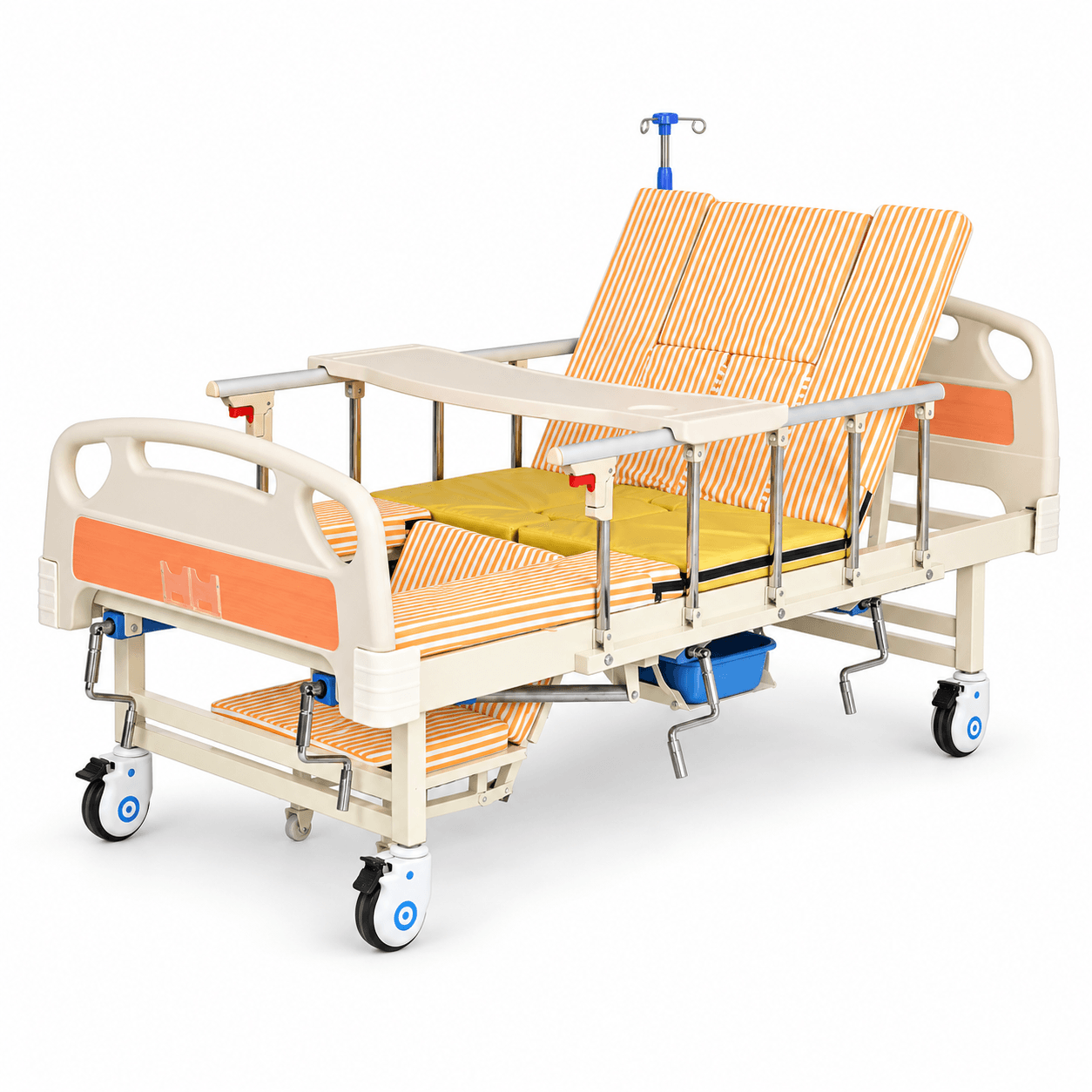
Why Can Heart Failure Make Lying Flat Difficult?
Heart failure occurs when the heart cannot pump blood effectively enough to meet the body's needs.
In some patients, fluid can accumulate in the lungs, making breathing more difficult, especially when lying flat.
This symptom is called orthopnea.
Patients may experience:
- Breathlessness shortly after lying down.
- A need for additional pillows.
- Difficulty remaining comfortable on a flat bed.
- Waking suddenly at night feeling short of breath.
- Increased coughing or breathing discomfort.
Not every patient with heart failure experiences orthopnea. However, new or worsening difficulty breathing when lying down may indicate a change in the underlying condition.
Patients should report these symptoms promptly to their treating doctor rather than simply increasing the number of pillows.
Which Sleeping Positions May Help Heart Failure Patients?
Some people with heart failure find it easier to rest when their head, shoulders and upper body are supported in an elevated position.
Supported upper-body elevation
Raising the backrest may make resting more comfortable for patients who experience breathlessness when lying flat.
Semi-upright resting
Some patients prefer a partially reclined position instead of lying completely flat or sitting fully upright.
Supported side-lying
Side-lying with appropriate pillows may be comfortable for selected patients, depending on their symptoms and medical advice.
There is no single sleeping angle or position suitable for everyone with heart failure.
The treating doctor should guide positioning where symptoms are significant or changing. Sudden severe breathlessness, chest pain, fainting or other emergency symptoms require immediate medical care.
An elevated position may improve comfort, but it does not remove excess fluid or treat the underlying heart condition.
Why Can an Ordinary Bed Be Inconvenient?
A conventional flat bed may become less convenient when a person regularly needs to sleep with their upper body elevated.
Families often use multiple pillows to create a supported position. However, pillows may shift or flatten during the night.
Common difficulties include:
- Repeatedly arranging pillows behind the back.
- Maintaining a comfortable elevated position.
- Changing between reclining and supported sitting.
- Needing caregiver assistance with position adjustments.
- Finding consistent upper-body support.
An electrically adjustable backrest can provide a practical alternative to repeated pillow stacking.
However, the need to sleep increasingly upright may be a warning sign of worsening heart failure and should not be managed by bed adjustments alone.
How Can Morecare BedMate Help With Heart Failure Homecare?
The Morecare BedMate Motorized Back & Knee Rest converts a compatible existing bed into an electrically adjustable resting surface.
Its motorized backrest allows the upper body to be raised or lowered through a wired handset. The knee-rest section provides additional positioning adjustment.
For selected heart failure patients, BedMate may help with:
- Creating a supported elevated resting position.
- Adjusting upper-body position without stacking several pillows.
- Moving between prescribed reclining and upright positions.
- Making routine adjustments more convenient for caregivers.
- Providing adjustable knee positioning when appropriate.
BedMate is a positioning solution, not a cardiac treatment device.
It cannot remove fluid from the lungs, improve heart pumping function or prevent heart failure complications.
Patients must continue prescribed medications and follow their cardiologist's guidance. Increased breathlessness should never be managed solely by raising the bed.
What Should Families Check Before Choosing an Adjustable Bed?
Before purchasing an adjustable bed for someone living with heart failure, consider their daily care needs.
Medical guidance: Has the cardiologist recommended a particular resting position?
Nighttime symptoms: Does the patient frequently need to sit more upright, and have any changes been medically assessed?
Mobility: Can the person adjust their position independently?
Bed compatibility: Can the adjustable system be safely installed on the existing bed?
Caregiver assistance: Will someone be available when additional help is needed?
Additional care needs: Does the patient require bed-height adjustment, transfer assistance or specialized nursing features?
Morecare BedMate may be appropriate when motorized back and knee positioning is the primary requirement.
Patients with complex mobility or nursing needs may require a complete homecare bed instead.
The goal is to create a practical and comfortable homecare environment while continuing appropriate medical management.