Start With What the Person Can Do
Check sitting balance, head and trunk control, standing ability and permitted weight bearing. Pain, stiffness and fatigue also matter. A physiotherapist or occupational therapist can assess how these factors affect the proposed transfer.
Check the Car Before Choosing Equipment

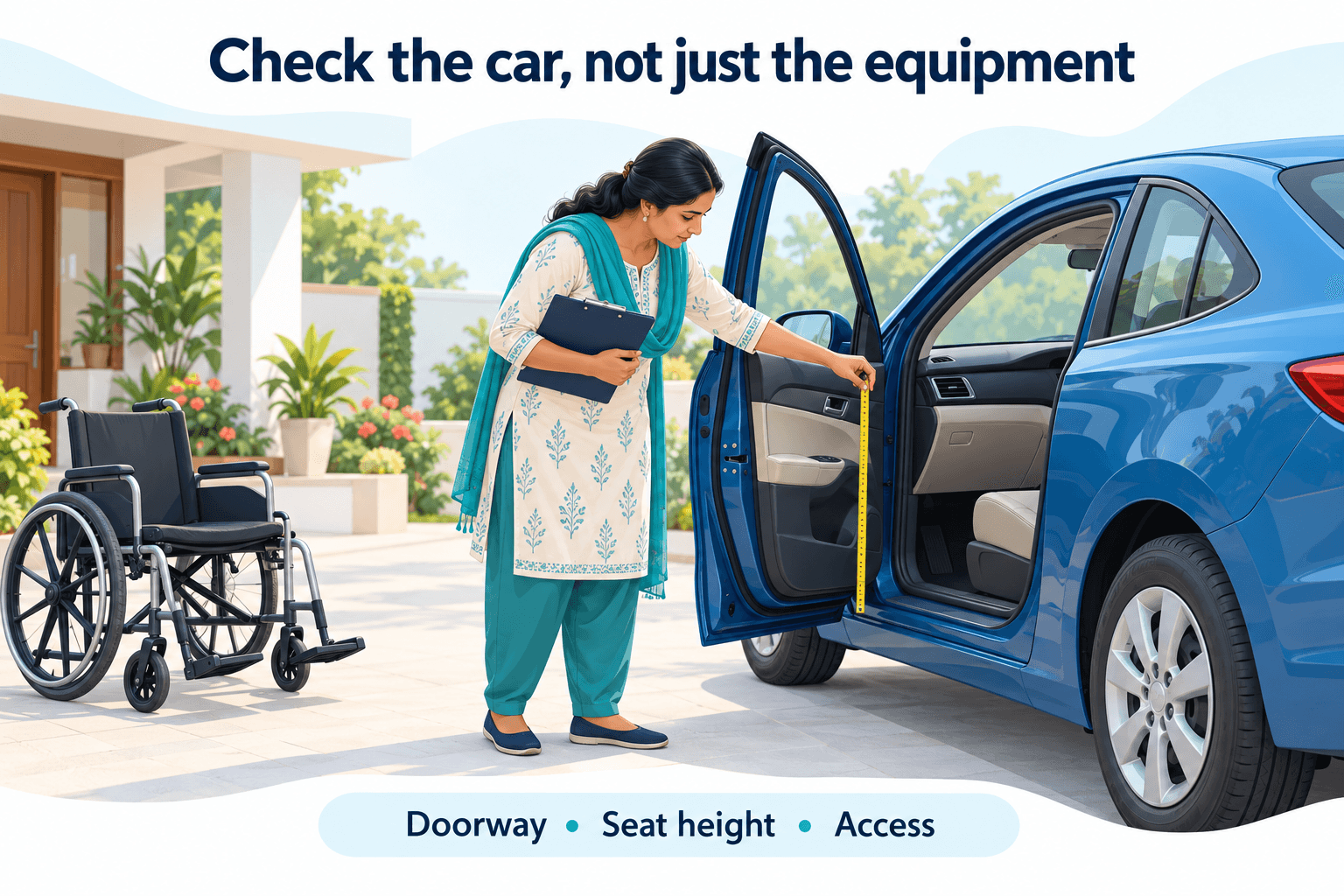
Measure the door opening, seat height and available space beside the vehicle. For equipment that extends underneath the car, check ground clearance along its access path. Compatibility must be checked with the actual vehicle
Understand What a Transfer Board Can Offer
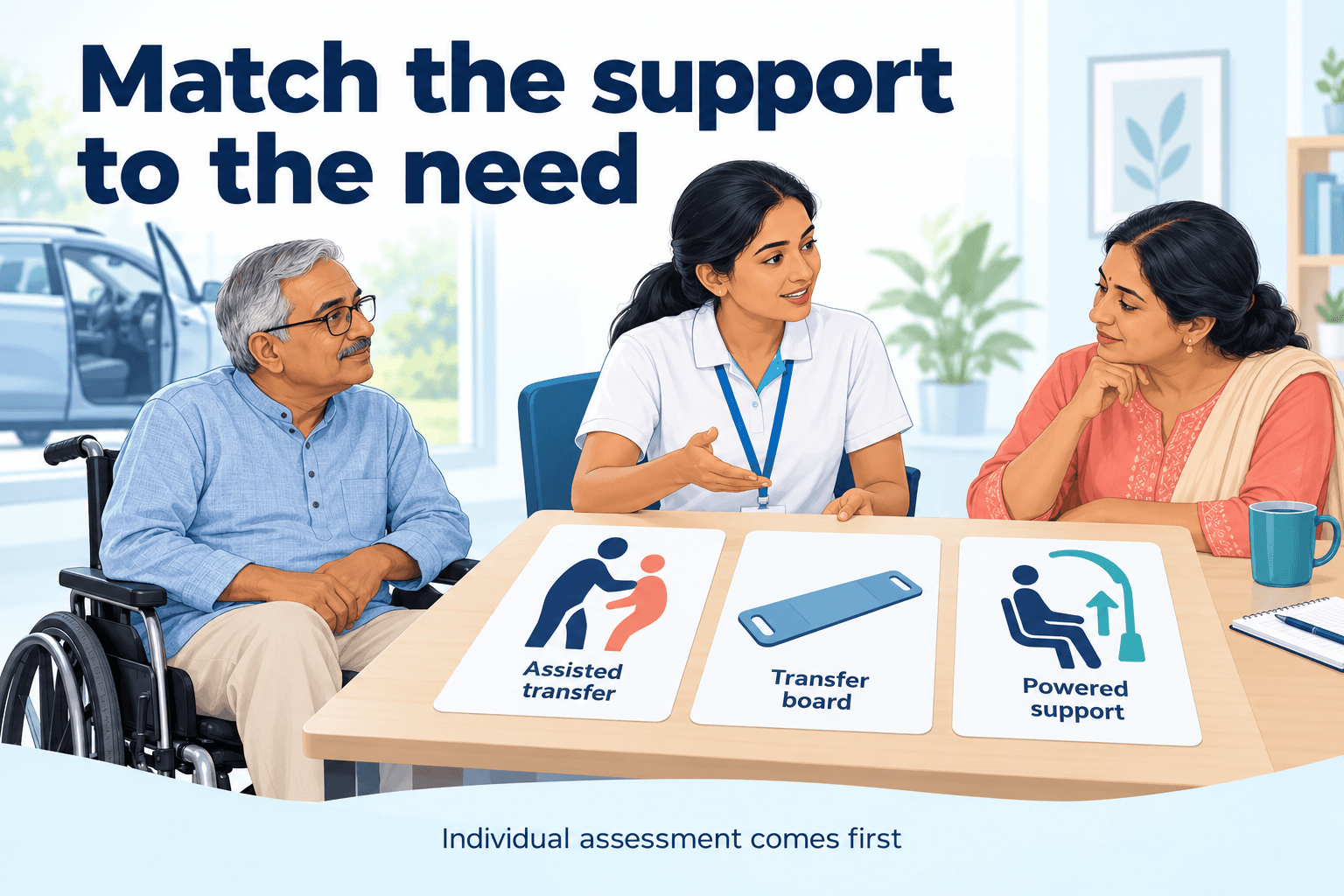
A transfer board bridges the gap between seating surfaces for an assessed seated transfer. It does not lift the person or provide trunk support. Suitability depends on positioning, assistance needs and the vehicle’s layout.
Recognise When Manual Assistance Is Becoming Difficult
Repeated attempts, increasing pain or caregivers taking more of the person’s weight are reasons to review the method. Adding another helper does not automatically resolve the problem; the whole transfer needs reassessment.
Consider Powered Support With a Compatibility Check
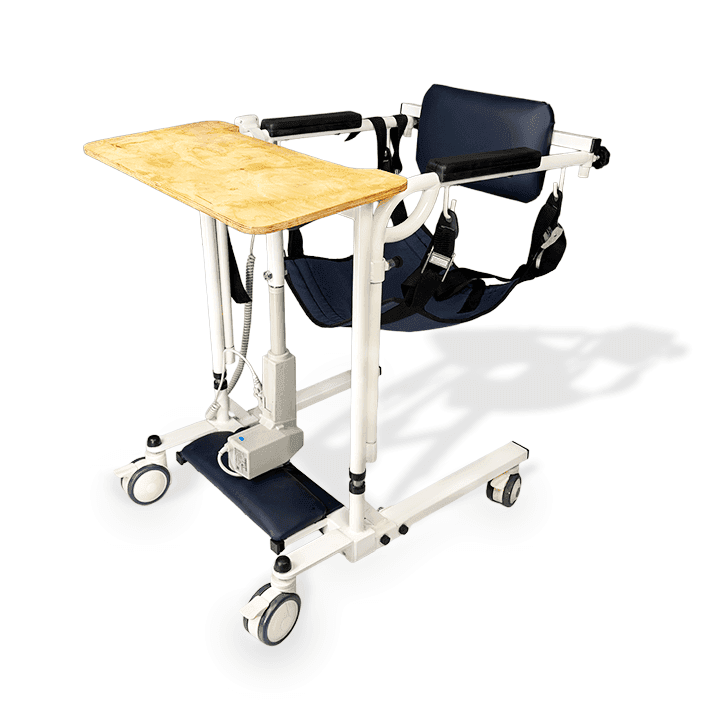
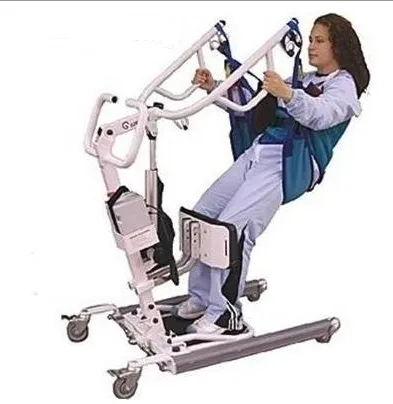
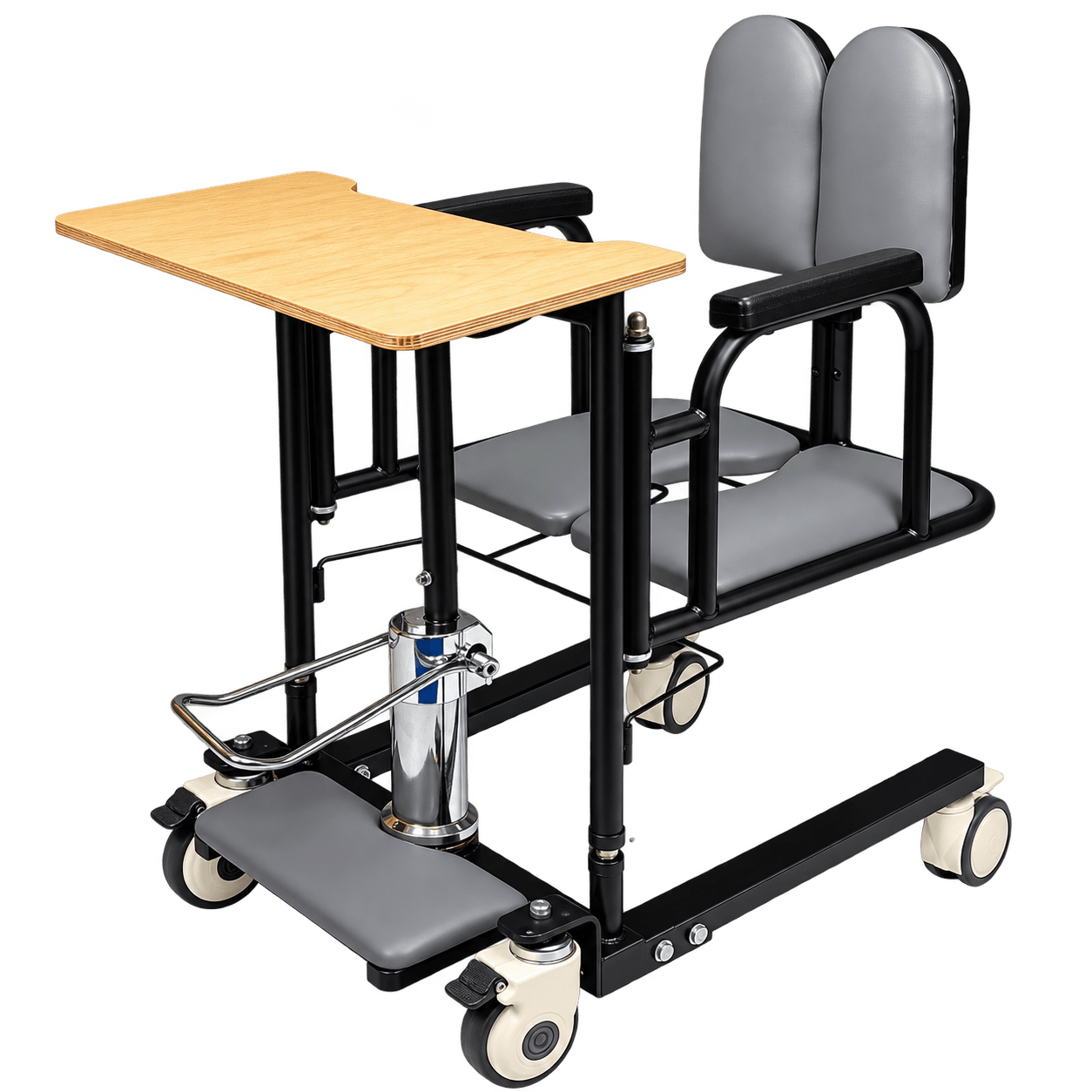
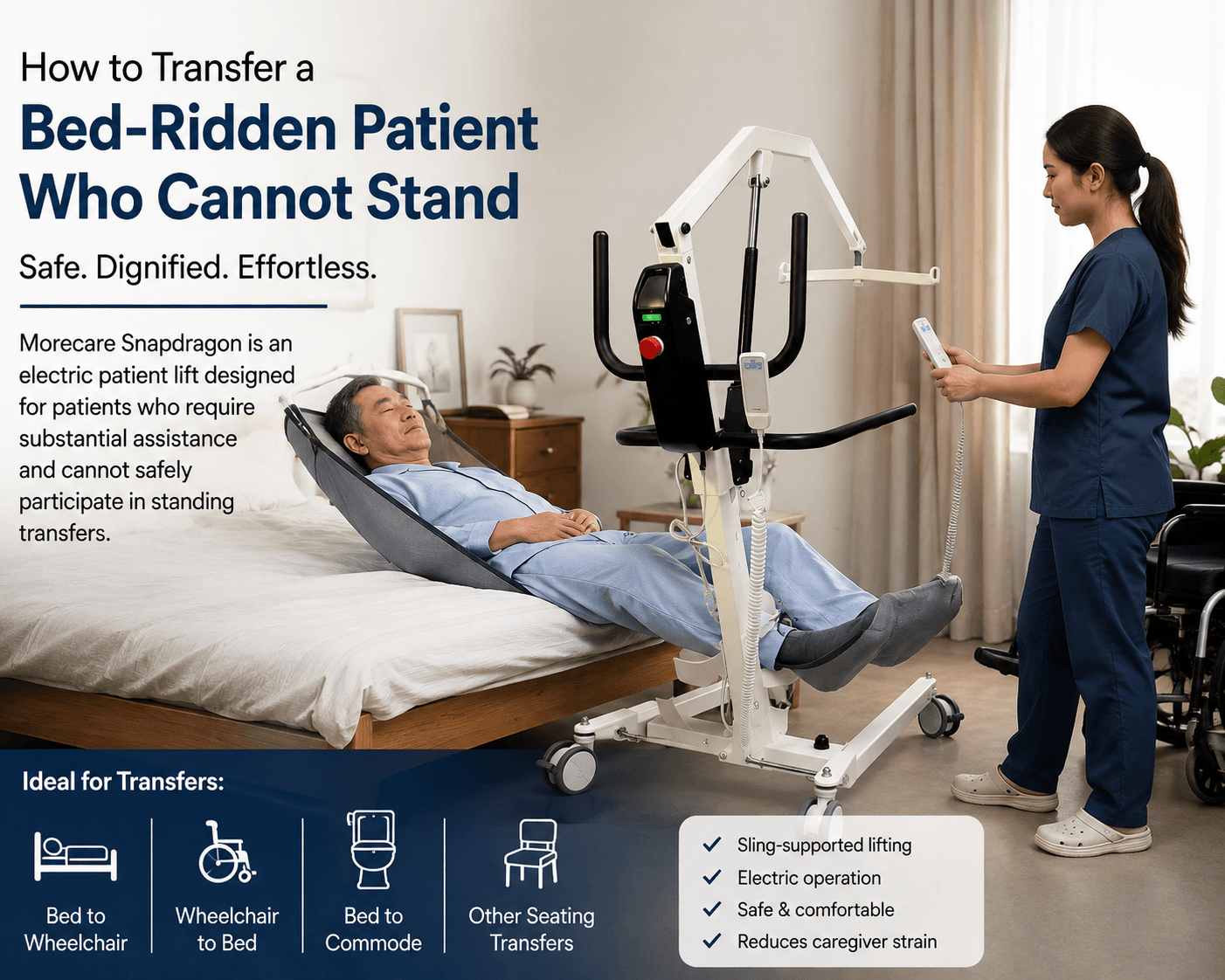
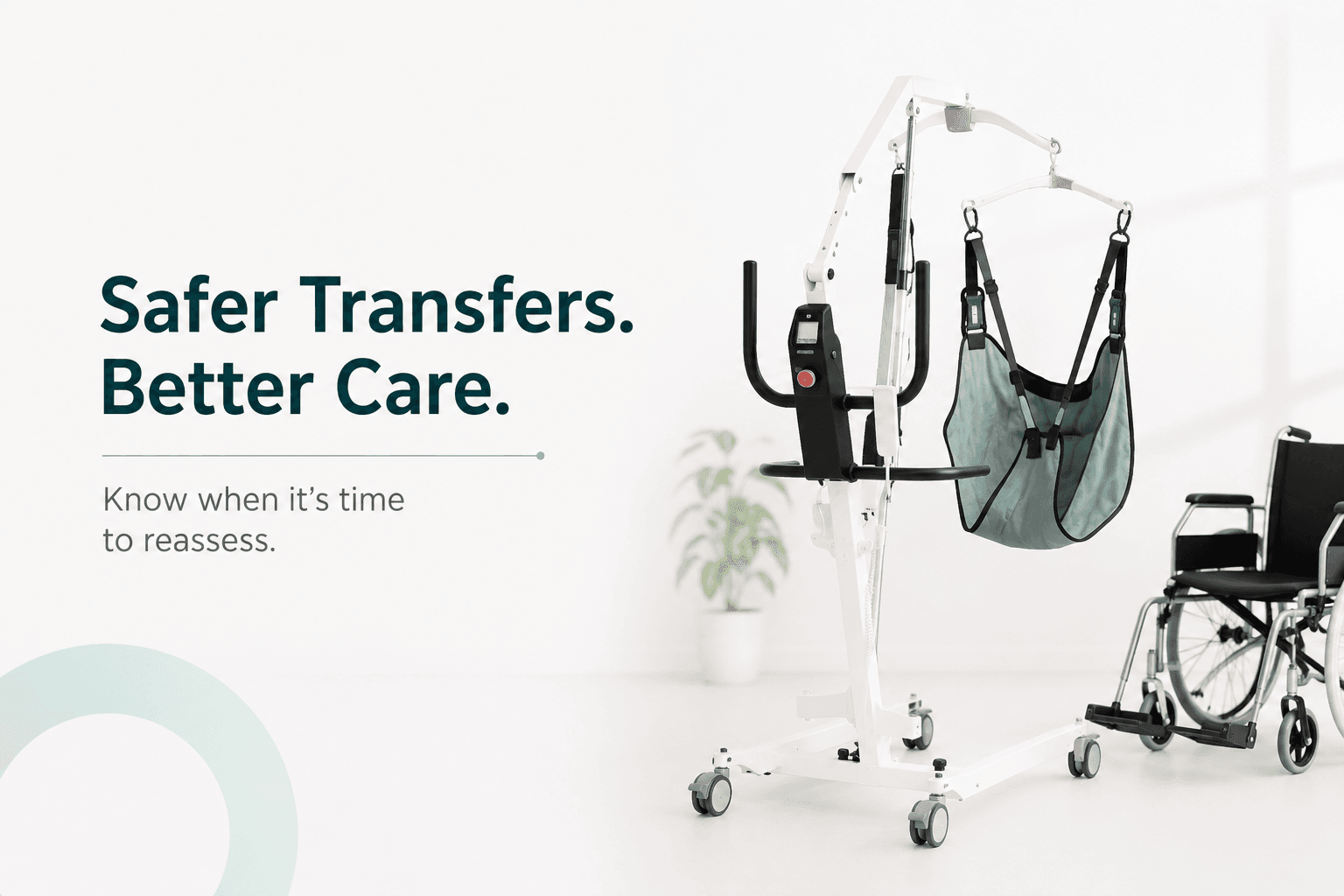
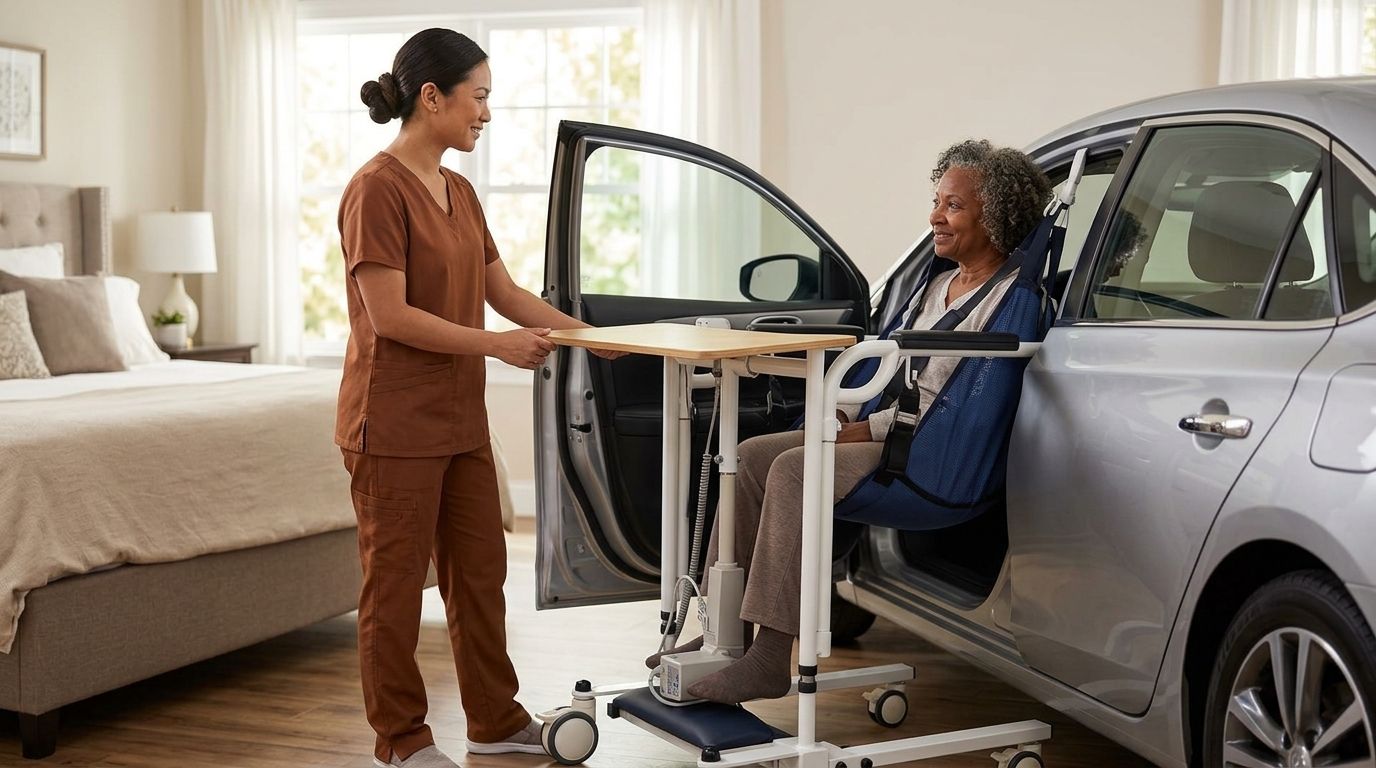
A powered transfer system such as Morecare EasyLift may be considered after assessment. Confirm body support, sling suitability, lifting range and vehicle access. A demonstration should establish whether the complete transfer is practical.
Plan the Return Transfer Too

Getting into the car is only half the task. Check how the person will get out at the destination, who will help and whether the equipment can travel. Allow for tiredness after appointments.
A practical checklist before your next car journey
Before choosing a transfer method, check the person’s needs, the actual vehicle and the arrangements at both ends of the journey.
- Describe the assistance needed: Note which movements the person manages independently and where help is required. Include difficulties with sitting balance, standing, turning or moving the legs.
- Discuss changes in ability: Tell the therapist about pain, stiffness, fatigue or restrictions on weight bearing that could affect the transfer.
- Check the vehicle: Record the model, intended seat, seat height and doorway space. Check underbody clearance if the equipment needs to extend beneath the car.
- Review the surroundings: Allow space for the wheelchair, equipment and caregivers. Consider parking conditions at home and the destination.
- Compare suitable options: Ask a physiotherapist or occupational therapist to assess whether assisted movement, a transfer board or powered support matches the person’s needs.
- Arrange a demonstration: If considering Morecare EasyLift, check compatibility with the intended user and vehicle. Confirm sling suitability, required assistance and the complete entry and exit process.
- Understand equipment instructions: Review pre-use checks, brake operation, charging and the response to an interrupted transfer.
- Plan the return: Confirm that equipment and assistance will be available when getting out of the car, including after a tiring appointment.